Source Automobile Power Window Switch for Repair, Replacement, and Upgrades
Compare 12 available automobile power window switch options for repair and replacement needs. Buyers can evaluate models like Opt-OS528 and 84820-33230 with varying warranty periods and packaging standards to find the right fit.
Key considerations
Products List


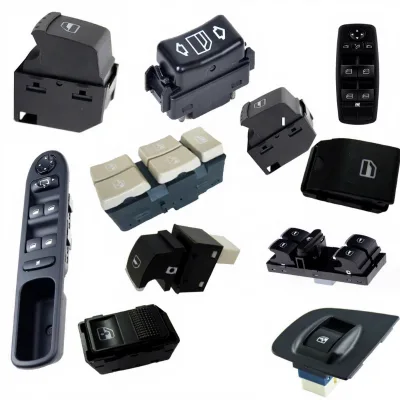

Comprehensive Sourcing Guide
Strategic Sourcing Guide for Automobile Power Window Switches
The global automotive aftermarket and original equipment manufacturing (OEM) sectors rely heavily on the reliability of power window switches. These components are critical for vehicle safety, convenience, and user experience. For procurement professionals, sourcing these switches requires a disciplined approach that balances technical specifications, regulatory compliance, and supply chain stability. This guide synthesizes available market data and industry standards to provide a framework for evaluating potential suppliers and products without relying on unverified claims or specific vendor recommendations.
Technical Specifications and Functional Requirements
When evaluating automobile power window switches, the primary focus must be on the functional attributes that ensure compatibility and performance. The core mechanism of these switches often involves specific transmission modes and working principles. In the current market, products frequently utilize a Cable transmission mode, which is essential for the mechanical linkage between the switch and the window regulator motor. The working mode is typically Passive, meaning the switch itself does not generate power but acts as a control interface for the vehicle's electrical system.
A critical technical differentiator in this category is the signal transmission method. Many modern switches employ a Wired Alarm signal transmission, which integrates security features with the window control system. Buyers must verify that the specific model number aligns with the vehicle's electrical architecture. For instance, specific model identifiers such as FBM5C-37, Opt-OS528, Opt-OS836, and Opt-Gz-0573 represent distinct configurations found in various listings. These model numbers often dictate the physical footprint and pinout configuration.
Physical dimensions are equally vital. Procurement data indicates that packaging and product standards vary significantly, with dimensions ranging from compact units like 7614cm to larger assemblies measuring 49cm X 40cm X 39cm. The thickness of the switch assembly is another precise metric, with observed specifications including 0.6mm. These measurements are not merely cosmetic; they determine whether the switch will fit within the vehicle's door panel or center console without modification. Additionally, the Gap specification, observed in ranges of 15-25mm or 20-25mm, is crucial for ensuring proper mechanical clearance during installation.
Compliance and Certification Verification
Navigating the regulatory landscape is a non-negotiable aspect of sourcing automotive components. The market presents a wide array of certifications that signal adherence to safety and environmental standards. High-confidence data indicates that products in this category may carry certifications such as DOT, E-MARK, CE, ISO, FCC, RoHS, MUTCD, ASTM, AS/NZS, CCC, and GS. However, buyers must exercise caution and verify that these certifications apply to the specific batch or model being purchased, as not every listed product satisfies every standard.
Specific compliance markers are often highlighted in product descriptions. For example, FCC, CE, and RoHS are frequently cited as standard certificates for electronic components, ensuring electromagnetic compatibility and the restriction of hazardous substances. The ROHS standard is particularly prevalent, often listed as a primary product standard. When evaluating a supplier, procurement teams should request valid, up-to-date certification documents rather than relying solely on marketing claims. The presence of a CE mark, for instance, suggests compliance with European health, safety, and environmental protection standards, but it must be validated against the specific product model.
Furthermore, the Working Principle of the switch, often described as Electro-Optical Type in related categories, implies a reliance on optical sensors or specific electronic interfaces. While this principle is more common in metal detectors, its mention in the context of automotive electronics suggests a need for rigorous testing of signal integrity. Buyers should verify if the switch requires specific frequency reception capabilities, such as 315MHz, which might be relevant for remote control integration or specific alarm systems linked to the window mechanism.
Cost Drivers and Pricing Structures
Understanding the cost structure of automobile power window switches is essential for budgeting and negotiation. The observed price range in the market spans from $0.20 to $40.00 USD. This wide variance is driven by several factors, including the complexity of the switch, the materials used, the level of customization, and the volume of the order. Lower-priced items often correspond to basic replacement units or generic models, while higher-priced items may include advanced features, specific OEM branding, or specialized packaging.
The Minimum Order Quantity (MOQ) is a significant cost driver. Market data shows an MOQ range from 1 to 100 units. For small-scale repairs or prototyping, suppliers offering an MOQ of 1 are advantageous, though the unit price will likely be higher. Conversely, large-scale procurement can leverage economies of scale, but buyers must be prepared to meet higher volume thresholds, such as 50PCS or 100PCS, to access competitive pricing tiers.
Payment terms also influence the effective cost. Standard payment methods observed include Tt (Telegraphic Transfer) and Paypal. The choice of payment method can affect cash flow and transaction fees. Additionally, the Warranty period, which varies between 6 Months and 12 Months, acts as a risk mitigation factor that can indirectly impact the total cost of ownership. A longer warranty period often correlates with higher initial costs but reduces the risk of replacement expenses in the long term.
Typical Applications and Product Customization
The application scope for power window switches is broad, covering both Indoor and Outdoor environments, although the primary use case is within the vehicle cabin. The Purpose of these switches is generally defined as for Replace/Repair, indicating their role in the aftermarket and maintenance sectors. They are designed to be compatible with various Car Make and model types, though specific compatibility must be verified against the vehicle's make and model database.
Customization is a key attribute available in this market. Suppliers often offer options to tailor the switch to specific requirements, which can include color variations, branding, or functional modifications. The Color of the switches is typically available in White/Brown, but custom colors may be requested for OEM matching. This flexibility allows buyers to source components that blend seamlessly with the vehicle's interior design.
The Condition of the products is predominantly New, ensuring that buyers receive functional, non-refurbished units. However, the Warranty terms should be clearly understood, as they vary by supplier. Some products come with a 12 Months warranty, while others may offer a shorter 6 Months period. This variation highlights the importance of evaluating the supplier's confidence in their product quality.
Supplier Evaluation and Operational Logistics
Selecting the right supplier involves more than just comparing prices; it requires a thorough assessment of operational capabilities and logistics. The Delivery Detail and Lead Time are critical factors in supply chain planning. Observed delivery times range from 7-10 days to 10 days, depending on the supplier and the shipping method. Buyers should confirm these timelines during the negotiation phase to avoid production delays.
Shipping methods are another logistical consideration. Common delivery ways include DHL, UPS, and FedEx, which offer reliable tracking and relatively fast transit times. The choice of carrier can impact the final cost and the speed of delivery. Additionally, the prod_origin of the products, often listed as Ningbo or Shanghai, provides insight into the manufacturing base. These regions are known for their robust manufacturing ecosystems, but buyers should verify the specific factory location to ensure quality control standards are met.
Packaging standards also play a role in supplier evaluation. Products are typically packed in Standard Export Carton, White Box, or Neutral packaging. Some items may include an Inner Package with Clear Plastic Bag for additional protection. The prod_packing specifications, such as 1286cm or 49cm x 40cm x 39cm, must be considered for storage and shipping efficiency. Proper packaging ensures that the switches arrive in pristine condition, minimizing the risk of damage during transit.
Quality Control and Long-Term Procurement Considerations
Maintaining high quality standards is paramount for long-term procurement success. The Condition of the product should always be verified as New, and the Warranty period should be clearly defined in the contract. Buyers should implement a rigorous quality control process that includes visual inspections, functional testing, and compatibility checks before accepting a shipment.
The Working Mode and Signal Transmission mechanisms should be tested to ensure they meet the required performance standards. For example, the Alarm Volume within 1m should be ≥90dB if the switch includes alarm functionality, although this is more common in security devices. In the context of window switches, the focus should be on the reliability of the Cable transmission and the durability of the Electro-Optical components.
Long-term procurement strategies should also consider the MOQ flexibility and the ability of the supplier to scale production. Suppliers that can accommodate varying order sizes, from 1 to 100 units, offer greater flexibility for buyers with fluctuating demand. Additionally, the availability of Customization options allows buyers to adapt to changing market needs or specific vehicle requirements.
In conclusion, sourcing automobile power window switches requires a comprehensive understanding of technical specifications, regulatory compliance, cost drivers, and logistical capabilities. By adhering to the principles outlined in this guide, procurement professionals can make informed decisions that ensure the quality and reliability of their supply chain. The market offers a diverse range of products, from basic replacement units to highly customized solutions, and buyers must carefully evaluate each option against their specific needs and constraints.
Comparative Analysis of Product Attributes
To facilitate a clearer understanding of the variations in the market, the following table summarizes key attributes observed across different product listings. This comparison highlights the diversity in specifications, certifications, and logistical parameters that buyers must consider.
| Attribute Category | Observed Values / Ranges | Notes for Verification |
|---|---|---|
| Model Numbers | FBM5C-37, Opt-OS528, Opt-OS836, Opt-Gz-0573, Opt-Gz-0599, Opt-OS829, Opt-Gz-0403, 84820-33230 | Verify compatibility with specific vehicle make and model. |
| Dimensions | 7614cm to 49cm X 40cm X 39cm | Check physical fit within vehicle door panels. |
| Thickness | 0.6mm | Critical for clearance and installation depth. |
| Certifications | DOT, E-MARK, CE, ISO, FCC, RoHS, MUTCD, ASTM, AS/NZS, CCC, GS | Request valid certificates for specific batches. |
| Warranty | 6 Months, 12 Months | Longer warranty may indicate higher quality confidence. |
| Lead Time | 7-10 days, 10 days | Confirm exact delivery schedule before ordering. |
| MOQ | 1 to 100 units | Negotiate based on order volume and pricing tiers. |
| Origin | Ningbo, Shanghai | Verify manufacturing location for quality assurance. |
| Packing | Standard Export Carton, White Box, Neutral, Inner Plastic Bag | Ensure packaging meets shipping and storage requirements. |
| Payment Terms | Tt, Paypal | Clarify payment methods and associated fees. |
This table serves as a reference point for buyers to systematically evaluate potential suppliers. By cross-referencing these attributes with specific project requirements, procurement teams can identify the most suitable products and partners. The diversity in specifications underscores the need for a meticulous approach to sourcing, ensuring that every component meets the rigorous demands of the automotive industry.
FAQs
What certifications do automobile power window switches typically have?
Products often carry certifications like CE, FCC, and RoHS to ensure safety and environmental compliance. Some listings also mention DOT, E-MARK, ISO, and CCC standards, though buyers must verify these apply to the specific batch being purchased.
Can I customize the color of the window switch?
Yes, customization is available for many products in this category. Buyers can typically select from standard colors like White or Brown, or request specific variations to match vehicle interiors, subject to supplier capabilities and order volume.
What is the typical lead time for delivery?
Delivery times generally range from 7 to 10 days depending on the supplier and shipping method. Specific listings indicate a standard delivery detail of 10 days, while others may offer faster turnaround times based on current inventory levels.
Which minimum order quantity should I expect?
The minimum order quantity varies significantly, ranging from 1 unit for small repairs to 100 units for bulk procurement. Some specific listings require a minimum of 50 pieces, so buyers should confirm the threshold before placing an order.
How are these switches packaged for shipping?
Packaging options include standard export cartons, white boxes, or neutral packaging with inner plastic bags. Dimensions vary widely, with some units packed in boxes measuring 49cm by 40cm by 39cm, while smaller components use compact 7 by 6 by 14cm packages.
What warranty period is offered for these switches?
Warranty terms typically range from 6 months to 12 months depending on the supplier and product model. Buyers should verify the specific warranty duration in the contract, as longer periods often correlate with higher initial costs but better risk mitigation.